- the humanoid boom is real, but only about 13,000 robots shipped worldwide in 2025. forecasts run to billions by 2050.
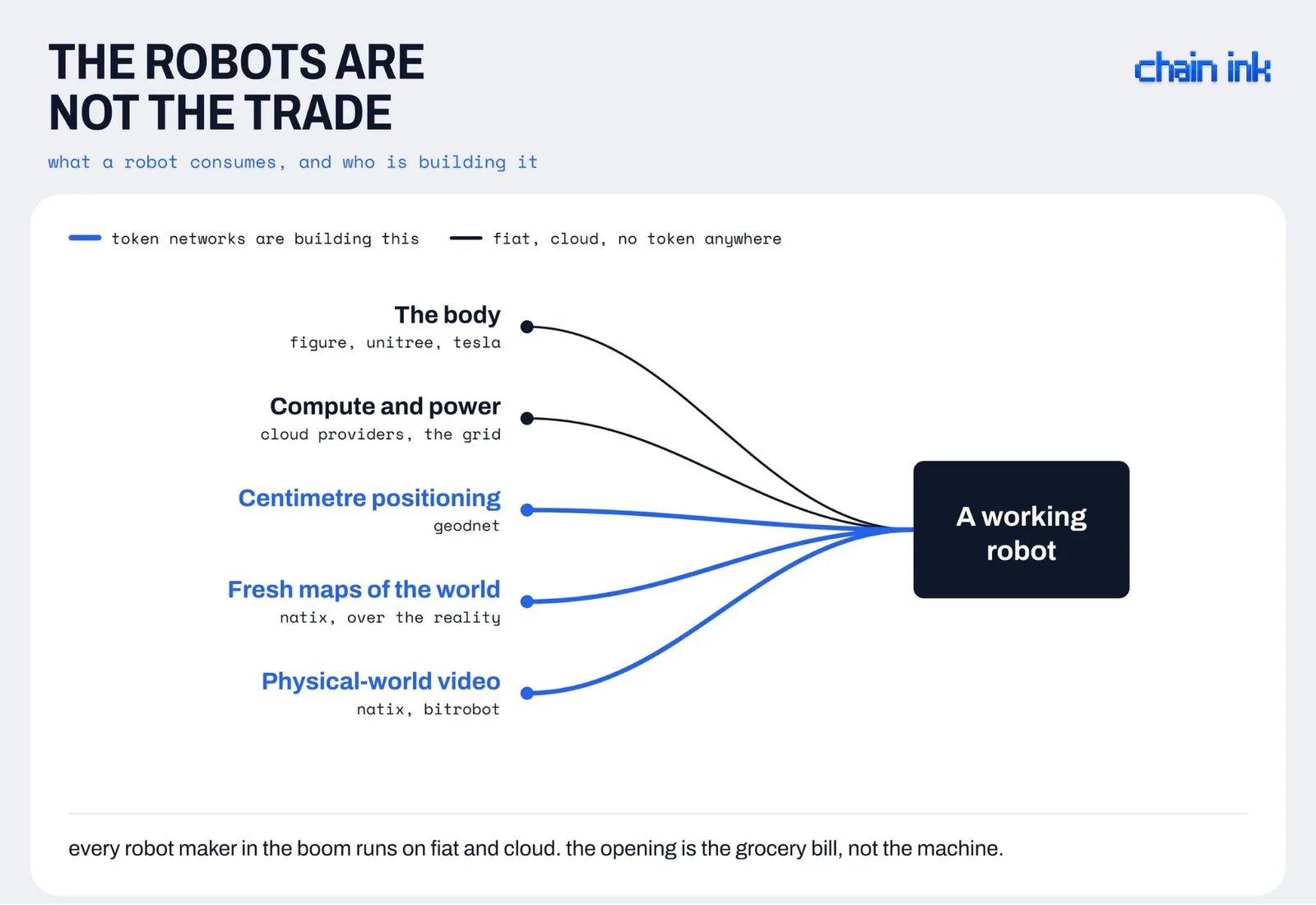
- figure, tesla and unitree run on fiat and cloud, so crypto robotics tokens are not shares in robot makers.
- the real opening is what robots consume. centimetre positioning, fresh maps, real-world video and spatial memory, collected by token-incentivised networks.
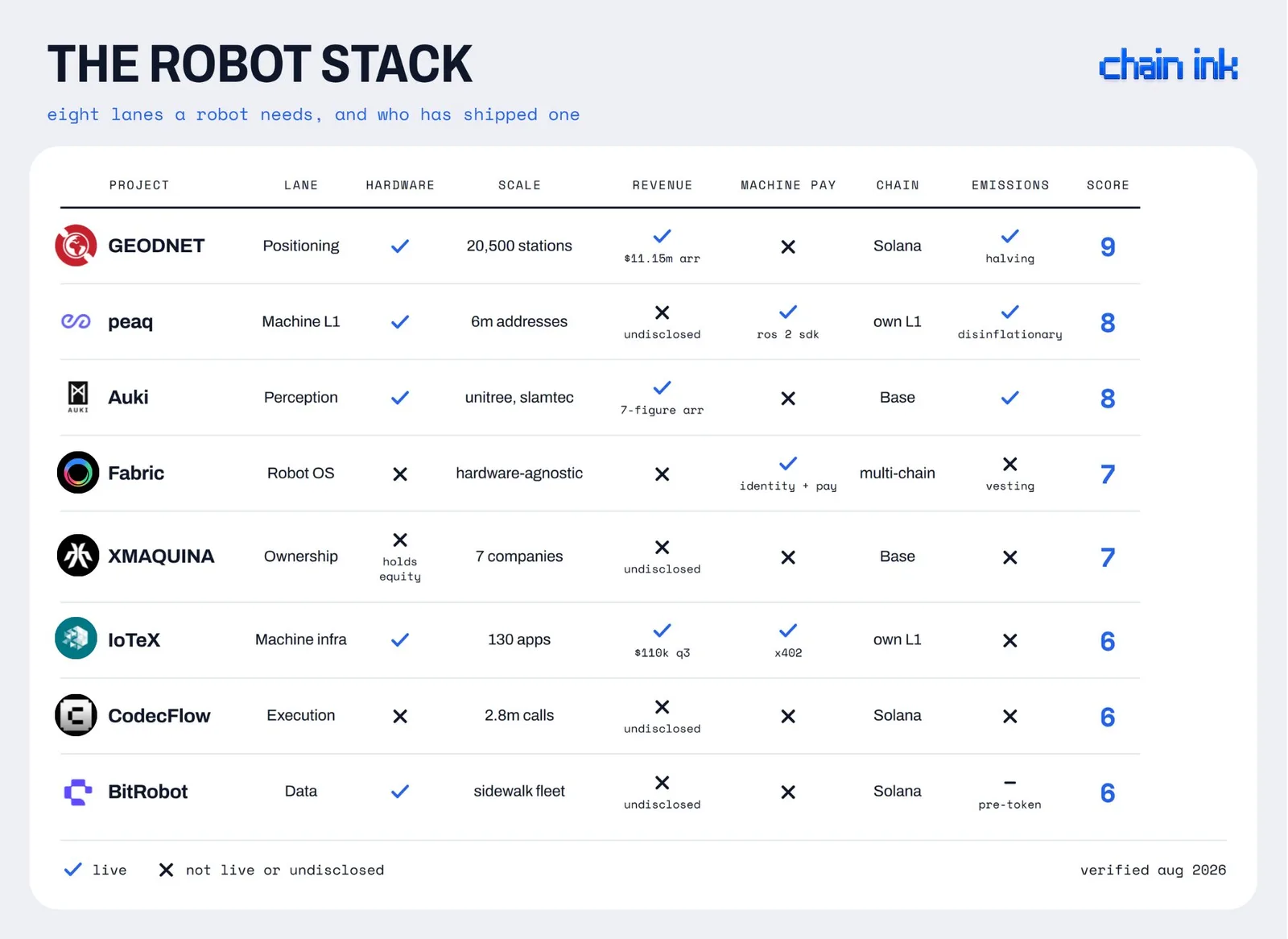
- geodnet is the proof. 20,000+ base stations, revenue tracked by messari, and 80% of data revenue buying and burning the token.
- the rest splits into builders (peaq, auki, natix, over the reality, bitrobot) and stories (codec, fabric, xmaquina). know which pile you hold.
in february 2026, robots danced on chinese state television in front of six hundred million people.
unitree's humanoids performed at the spring festival gala, the most watched broadcast on earth, folding fans and spinning handkerchiefs between human dancers. most of the audience saw a spectacle. crypto saw the same broadcast and asked a different question, the one it had been quietly positioning around since 2024.
not who builds the robots. who feeds them?
the boom is real
give the machines their due first, because the industry underneath this is extraordinary and it is moving faster than any hardware cycle in memory.
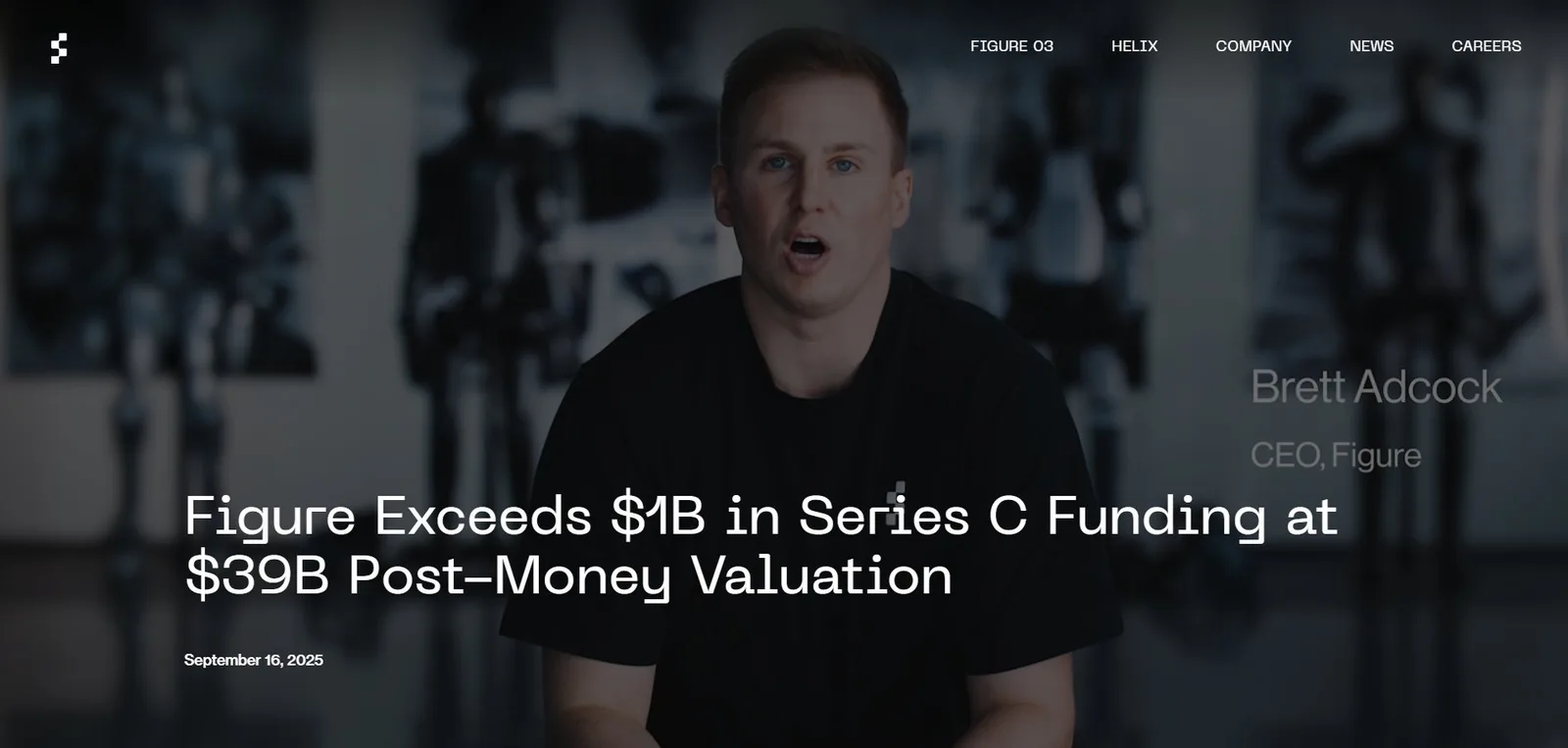
figure ai raised at a thirty nine billion dollar valuation in september 2025, fifteen times its price from a year and a half earlier, with nvidia and intel and qualcomm on the cap table. unitree priced its shanghai ipo in august 2026 at roughly nine billion dollars, selling humanoids that started under six thousand dollars as of september 2026, cheaper than a used car.
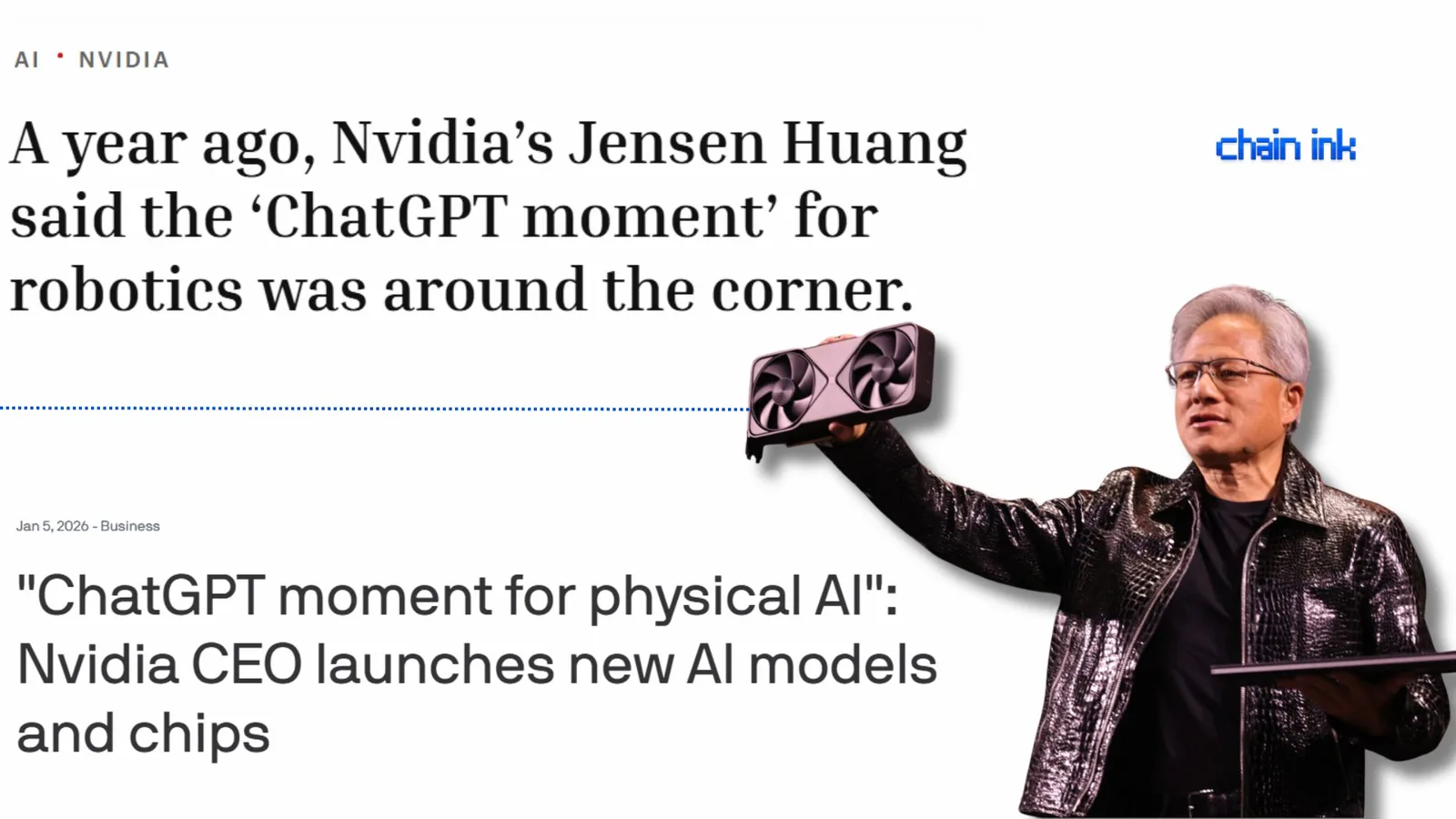
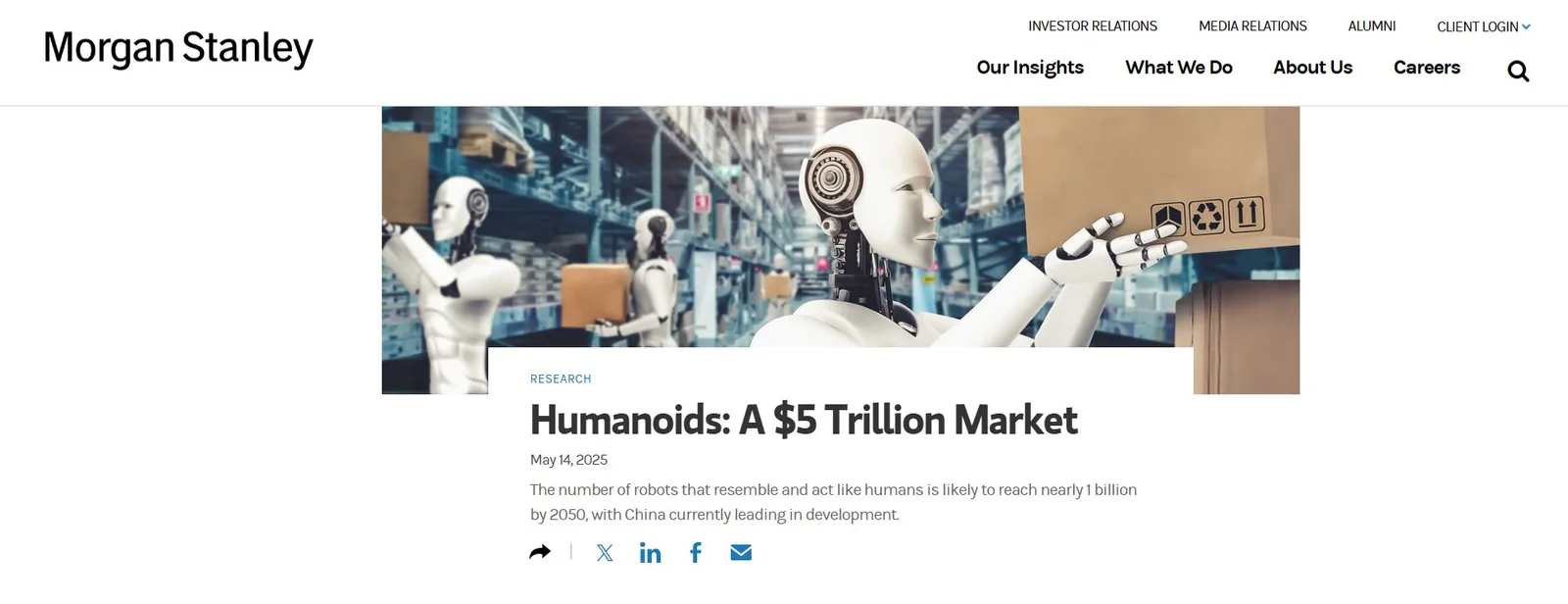
jensen huang stood on stage at ces in january 2026 and declared the chatgpt moment for robotics, then spent the year shipping open humanoid brains and reference bodies to make it true. morgan stanley projects a five trillion dollar humanoid market by 2050, with more than a billion robots in use. goldman sees thirty eight billion by 2035.
now the number that tells you where we actually are. total humanoid robots shipped worldwide in 2025, per the analysts at omdia: about thirteen thousand. the entire global humanoid fleet would fit inside a mid-sized football stadium.
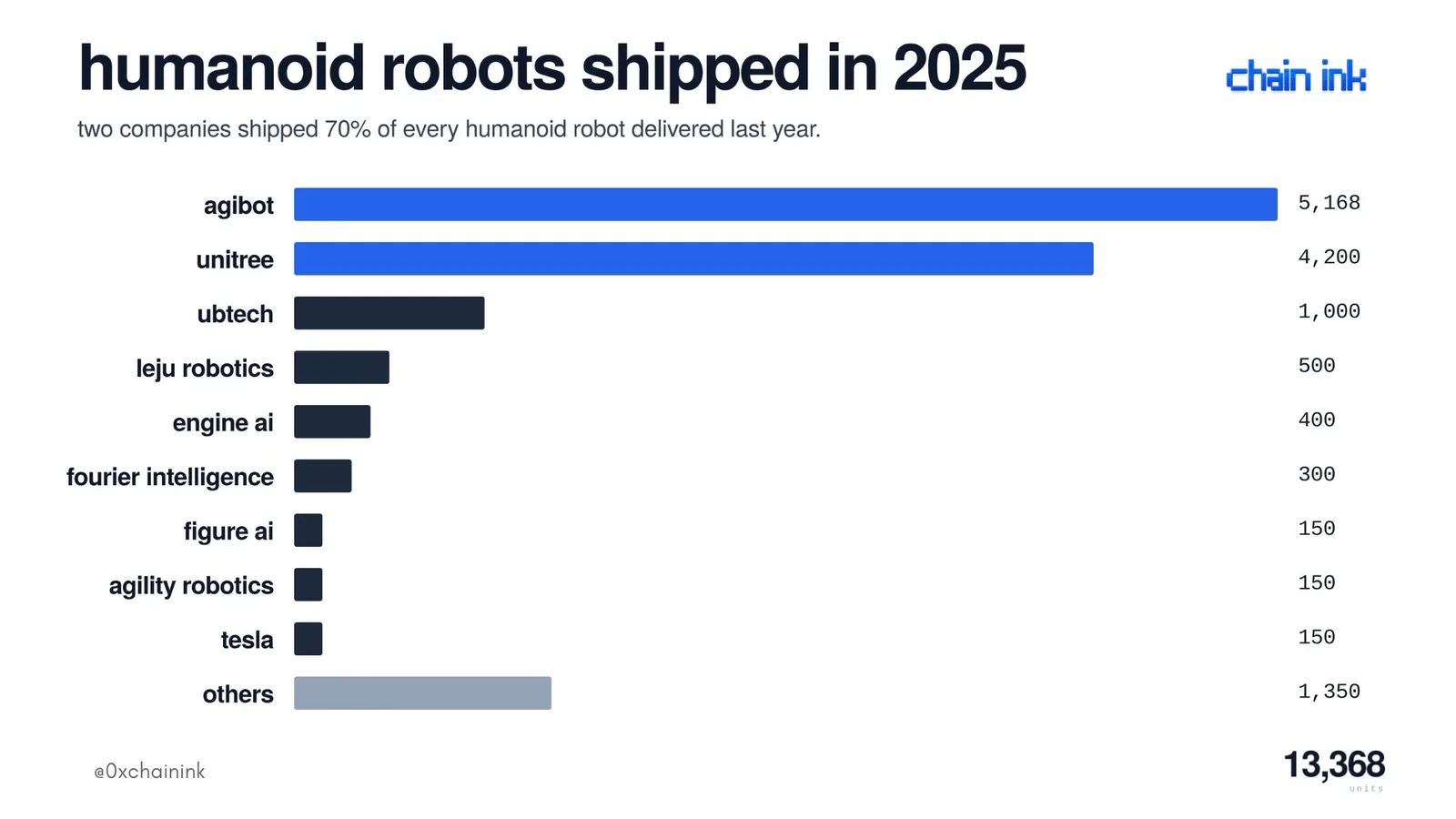
omdia has annual shipments at two point six million by 2035, a two hundred fold increase inside ten years. morgan stanley has close to a billion machines in operation by 2050. that gap is not a warning. it is the single largest infrastructure buildout of the next two decades, sitting at its starting line. and the moment before the machines arrive is exactly when the roads get laid.
the wrong question
here is the fact that filters out the tourists, and it is worth stating plainly.
the robot makers do not use tokens. tesla runs optimus on its own stack. figure builds its models in-house and settles its contracts in dollars. unitree just listed on a stock exchange. the entire physical ai supercycle, the funding, the compute, the factories, runs on cloud infrastructure and fiat rails.
a lot of the robotics trade in crypto ignores this, and prices tokens as if they were shares in the robot companies. they are not, and buying them on that basis is buying a story. but concluding that crypto therefore has no seat at this table is the opposite mistake, because it assumes the robots themselves were ever the opportunity.
they were not. the opportunity is what the robots consume.
the machines are starving
a humanoid can reason like a language model now. what it cannot do is know where it is to the centimeter, what the street looked like yesterday, or what a thousand hours of the physical world actually contain. that information does not live in any dataset scraped from the internet. it has to be collected, continuously, everywhere, by hardware standing in fields and cameras riding in cars.
the labs, in the words of one research shop, start effectively from zero on physical-world data.
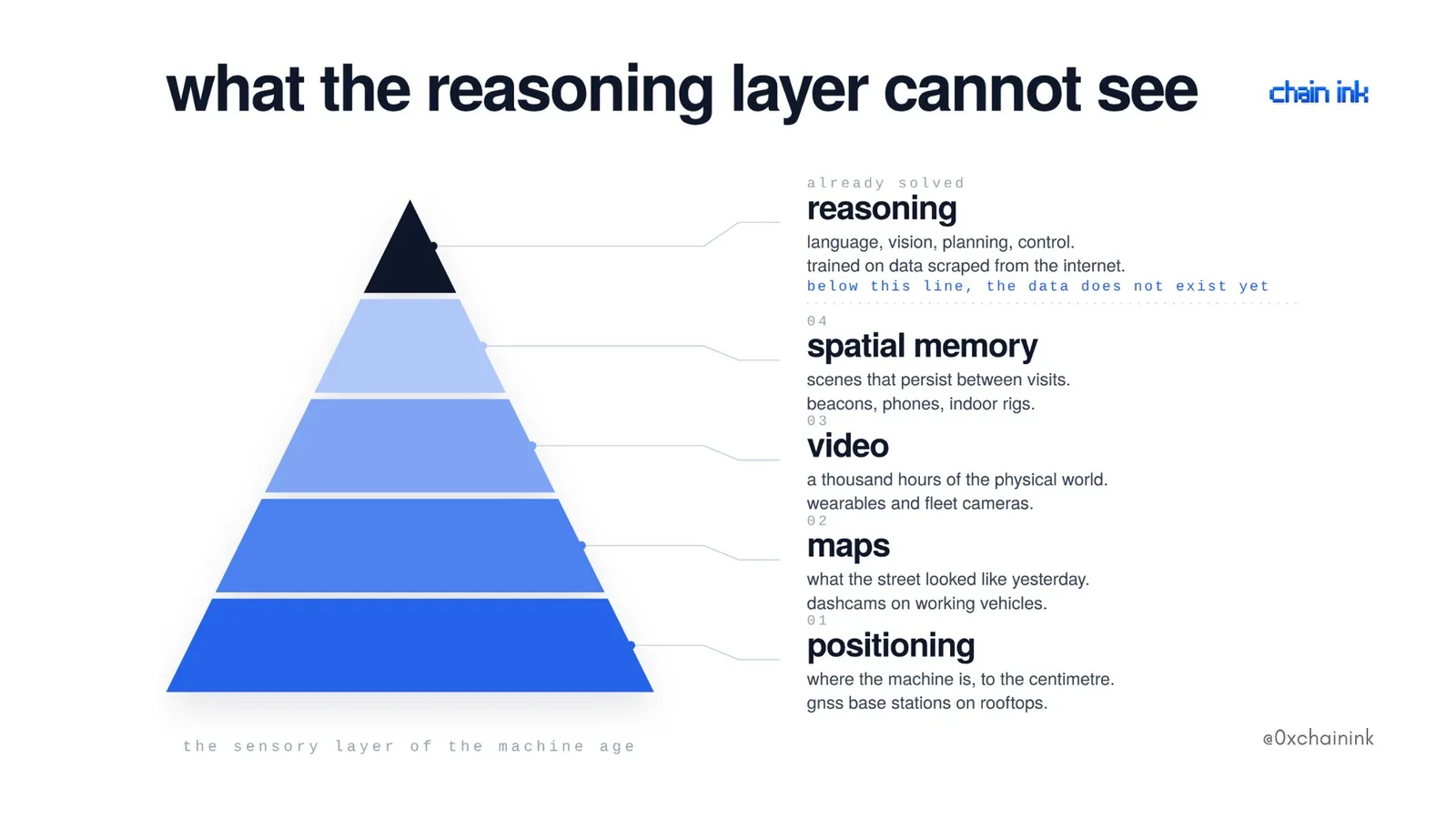
collection at planetary scale is a coverage problem, and coverage is the one thing token incentives have genuinely proven they can buy. paying thousands of strangers to deploy hardware in places no corporation would send an employee is the depin playbook, and it already built wireless networks and mapping fleets that capex never would have. the serious crypto robotics thesis is not that robots will hold wallets someday. it is that the sensory layer of the machine age, positioning, maps, video, spatial memory, gets built cheaper, wider and faster by open networks than by any single company.
and that thesis is no longer hypothetical, because one network is already collecting on it.
robots do not need a token. they need to know where they are. someone gets paid for that.
the proof it converts
as of september 2026, geodnet ran more than twenty thousand base stations across a hundred and forty countries, broadcasting corrections that sharpen satellite positioning from meters to centimeters. tractors use it, drones use it, autonomous machines use it, because a robot that does not know where it is within a centimeter is a robot that hits things.
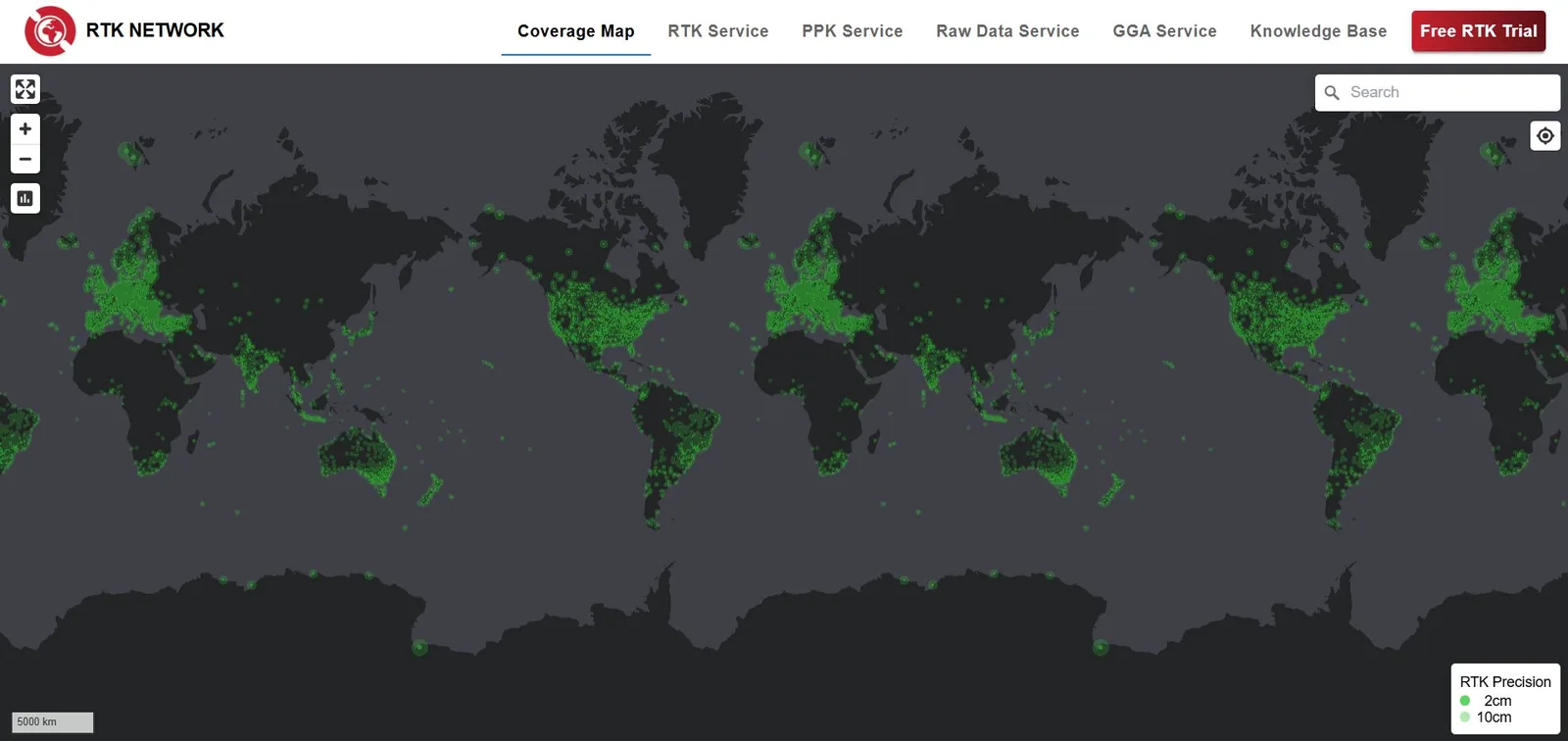
the part that matters is that customers pay. annualized revenue reached 7.3 million dollars by december 2025, tracked by messari rather than merely claimed, up from around five million just months earlier, and running near a ten million dollar yearly pace as of september 2026. eighty percent of that data revenue buys the token and burns it. coinbase listed it in june 2026. as of september 2026 it was a top three depin network by revenue, built by strangers with token incentives, selling a service real machines depend on.
that is the template. a token bootstrapped the coverage, the coverage found paying customers, and the revenue now flows back to the token. the model the skeptics said could not close the loop has closed it. the question for the rest of the sector is who runs the same play next.
the rest of the map
the remaining names sort into two piles, and knowing which pile you are holding is most of the job.
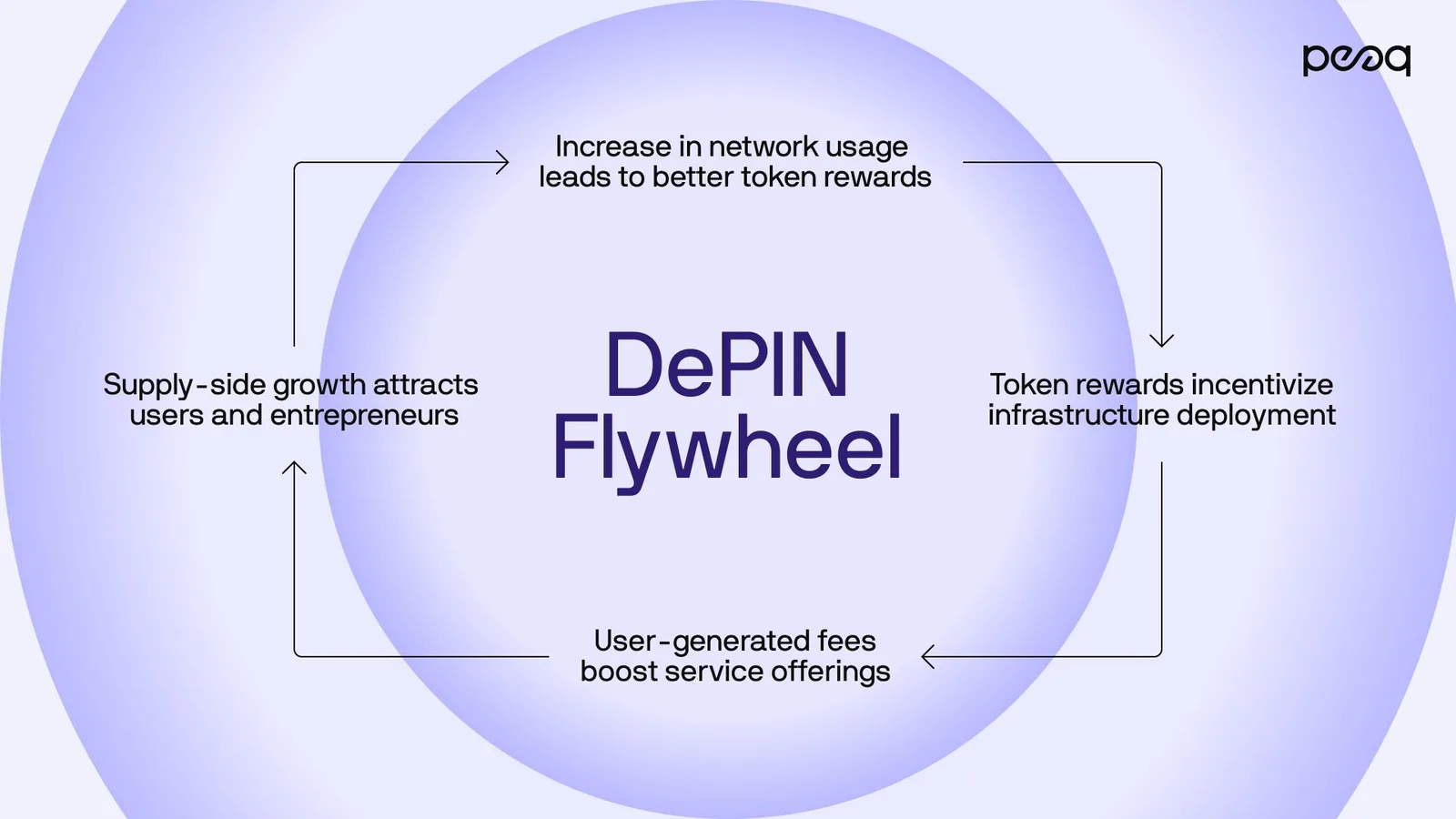
the builders. peaq runs a live layer one for machines, reporting sixty plus depins across twenty two industries as of september 2026, a regulatory mou with dubai's vara to put tokenized machines inside a machine economy free zone, and initial machine offerings with coinlist to sell robots as yield-bearing assets. the machine counts are self-defined and the unlocks run heavy through 2027, but the chain is real and the integrations carry names like bosch and mastercard.
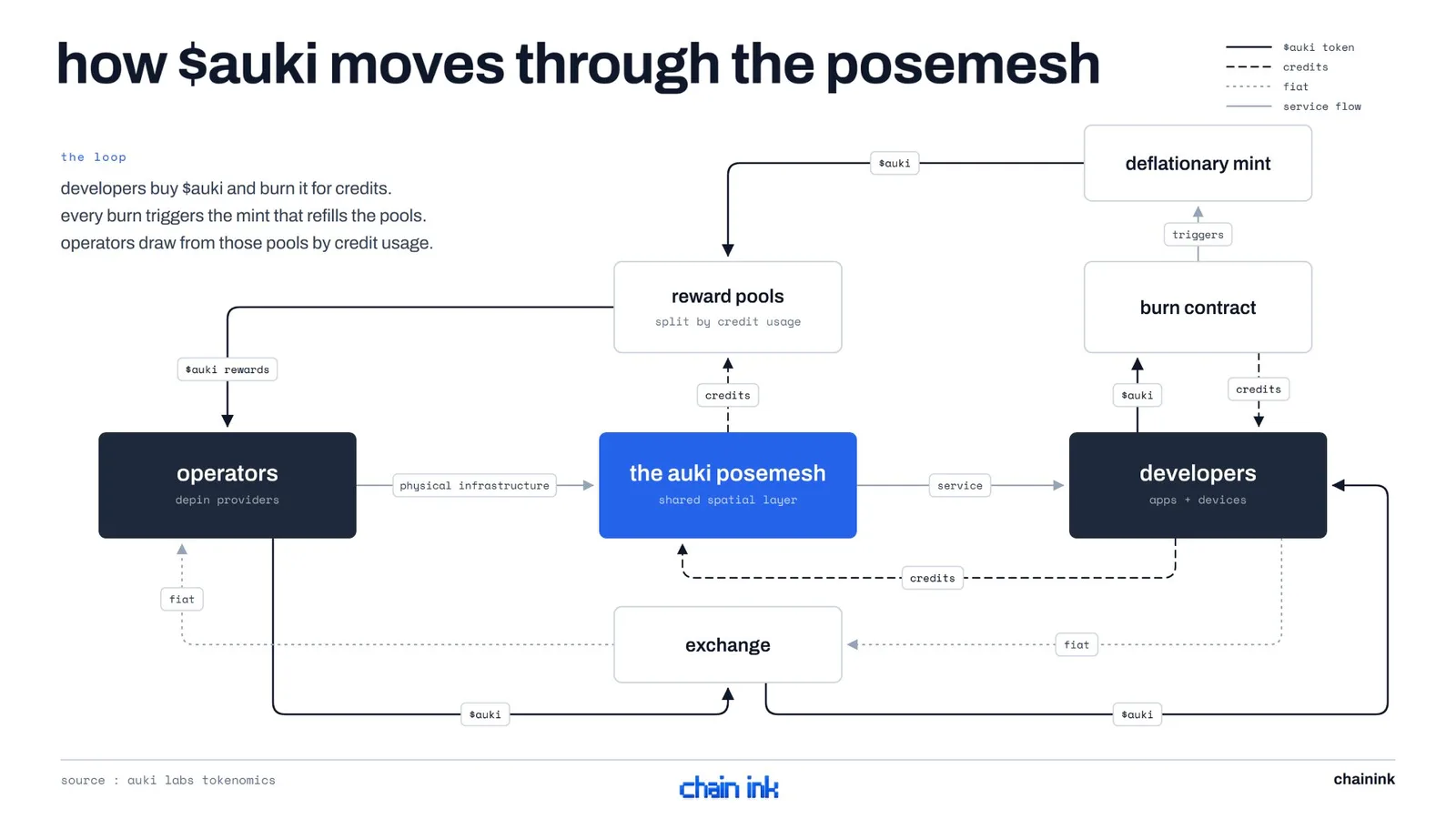
auki is building the posemesh, a shared spatial map for robots and glasses, grew its hong kong robotics lab from two humanoids to fourteen in 2026, and as of september 2026 reported retailers paying five hundred dollars a month per location for its copilot. treat the figure as the company's, and note the direction.
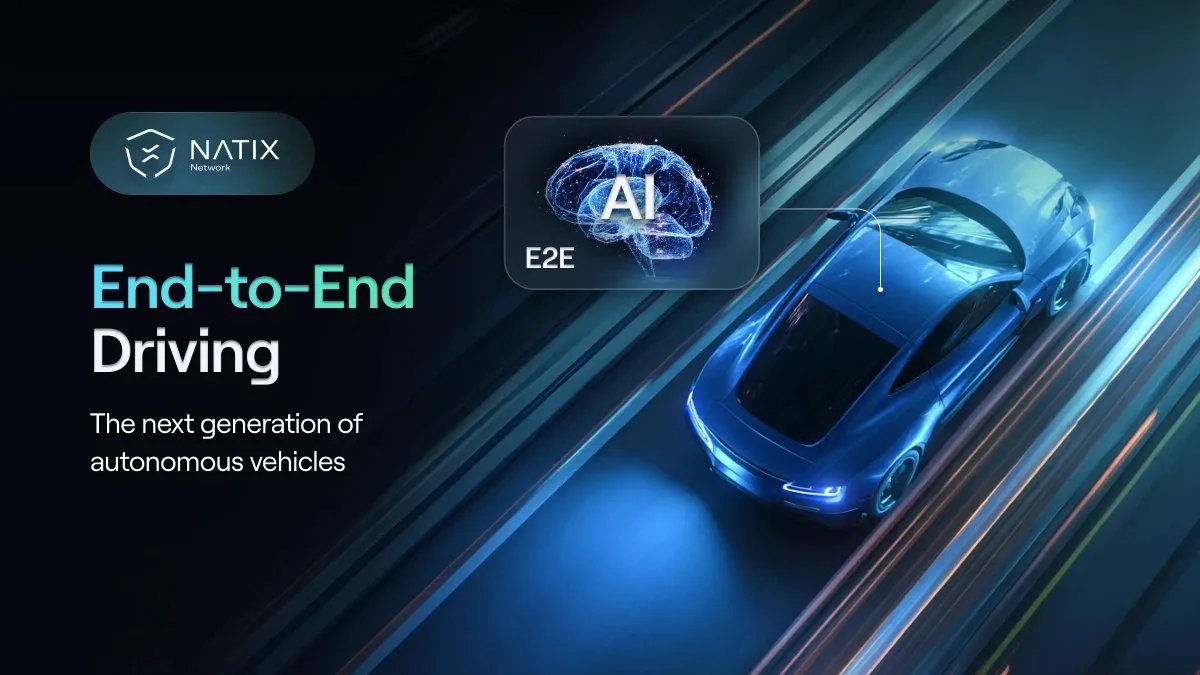
natix put two hundred seventy thousand drivers to work filming roads for autonomous-driving data as of september 2026, genuine collection at genuine scale, with no dollar revenue disclosed as of september 2026, which makes it the sector's live experiment in whether real supply finds real demand. over the reality was pivoting a million-user mapping game into robotics training data with native ros support. bitrobot has actual sidewalk robots and a dataset top labs already use.
the stories. codec runs on a vision-language-action pitch, and even its size swings by multiples depending on the tracker. fabric protocol's robo launched in february 2026 with four pillars, a planned chain, and seventy eight percent of supply locked behind an insider cliff to march 2027. xmaquina is a dao holding pre-ipo robotics equity, basically a fund with a ticker. these are claims on the word robot, and a float. the builders are claims on the machines' grocery bill.
the bet
be honest about the shape of this, because the asymmetry runs both directions.
crypto's robotics basket is tiny next to the industry it is betting on. as of september 2026, the largest verifiable revenue line in it was a positioning network doing seven and a half million on a trailing year, with a run rate closer to eleven. everything else is either undisclosed or too small to price. emissions without revenue do not survive, and as of september 2026, most of these networks had not proven demand.
now turn it over. that small basket is the market's entire claim on the sensory layer of an industry the banks size in the trillions. that is not a small bet on a big idea. it is the whole idea, at a fraction of the size.
and the thesis already has a working proof. geodnet went from six hundred and thirty thousand dollars of annualised revenue in march 2024 to a run rate above ten million by september 2026, on hardware that strangers bought and installed on their own rooftops. no capex line, no field team, no procurement cycle. the model converts.
the milestones that would confirm the rest are specific and watchable. geodnet's revenue crossing twenty or thirty million. one real robotics company, figure or unitree or agility, plugging a token network into production rather than a pilot. either would reprice the category in a week.
none of that is priced in
the machines really are multiplying, they really are starving for data about the physical world, and someone really will get paid to feed them. the forecasts say trillions. the shipping numbers say thirteen thousand. everything interesting about this trade lives in the distance between those two figures, and that distance is measured in years of infrastructure that has to be built before the fleet arrives.
which is the whole point. the infrastructure gets built first or the fleet arrives to nothing.
the invoice exists. the customers are still being manufactured.
the ink verdict
CHECKS OUT
geodnet's revenue is tracked independently and its customers are real machines. the shipping numbers and the fiat-only robot makers are on record.
CAN'T VERIFY
most other names. peaq's machine counts are self-defined, auki's retail figures are company reported, and natix had no disclosed dollar revenue as of september 2026.
WATCH
geodnet's revenue crossing $20-30m, and one real robotics company like figure, unitree or agility plugging a token network into production.
did this survive your dyor?
tap the heart to fill it with ink. up to 10 drops.

tanishq bodh
runs chain ink from a laptop with 40 tabs open. 39 are whitepapers, one is fpl.